NIPDP Data Dialogue Reports
Data Dialogue
The inaugural 'Data Dialogue' took place in March 2025.
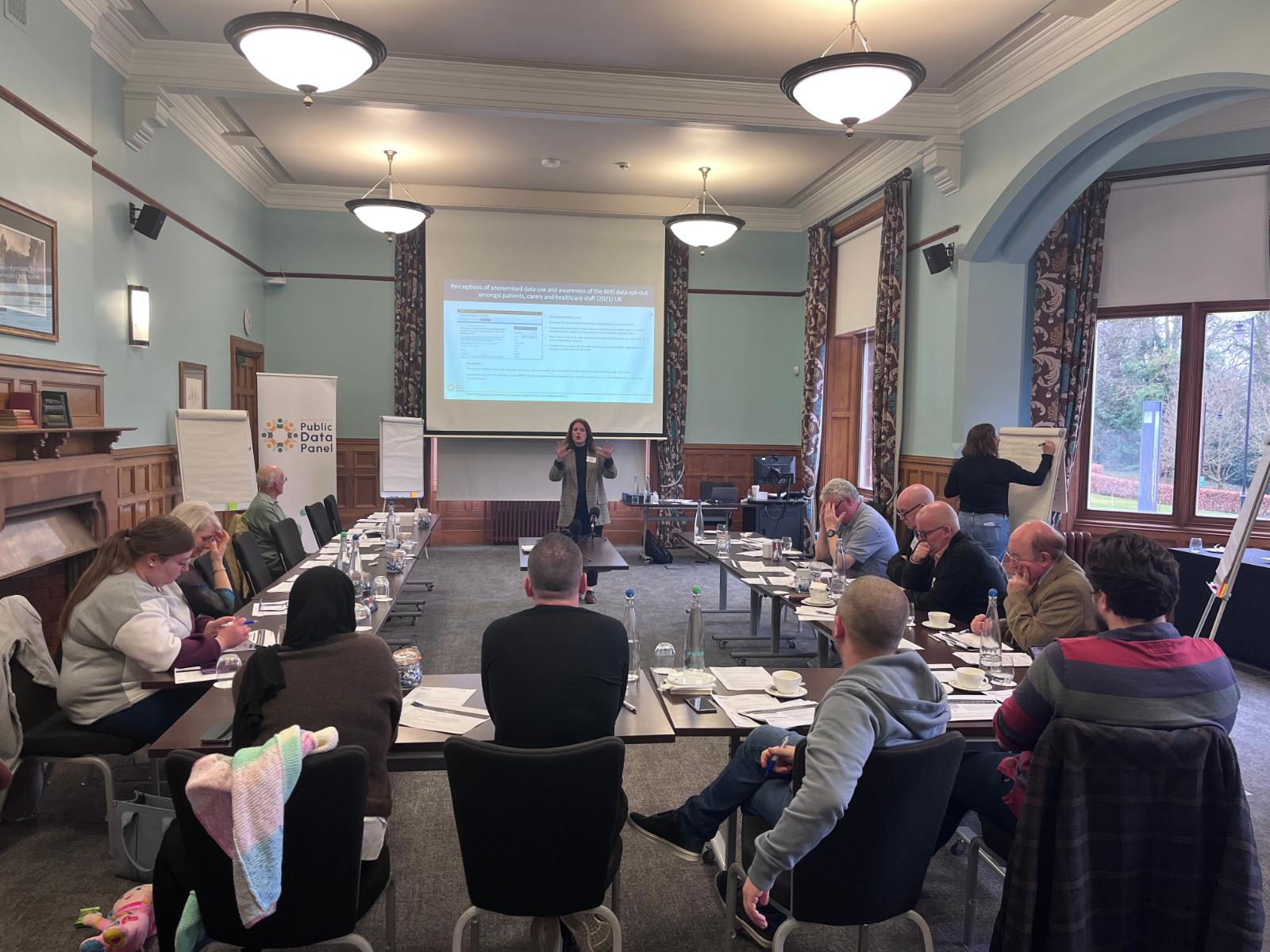
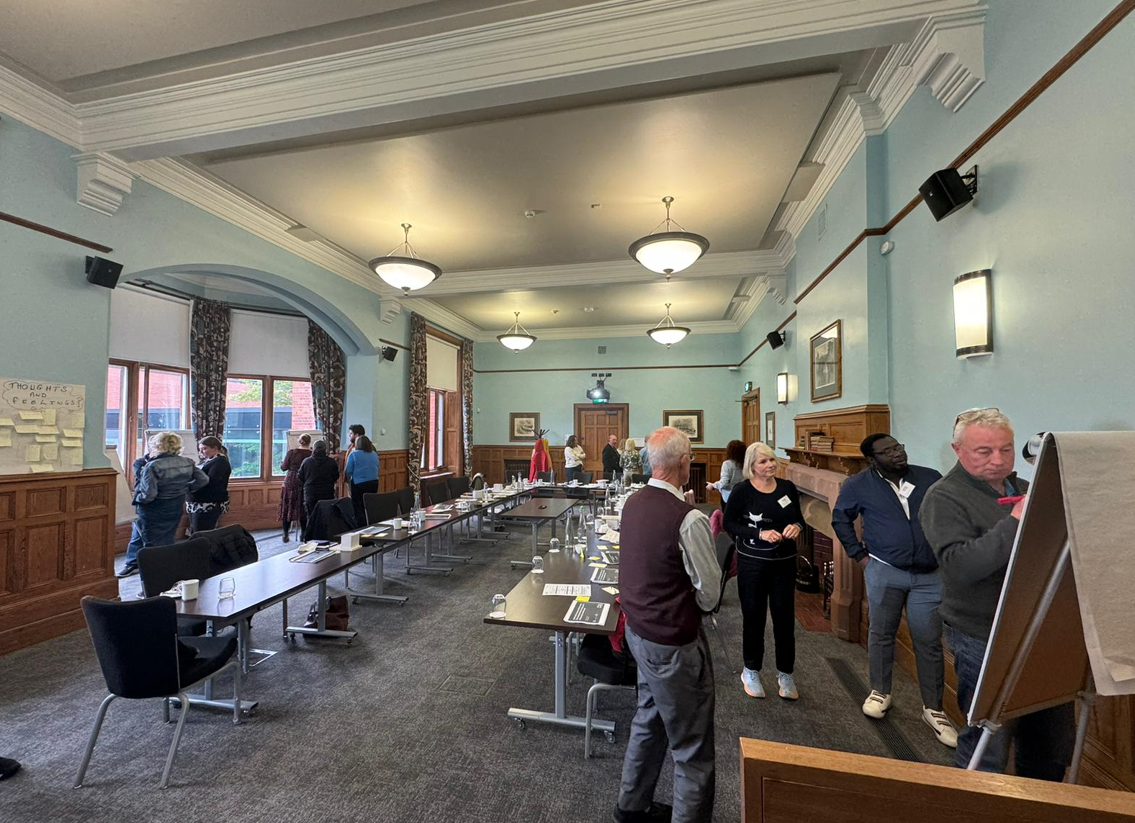
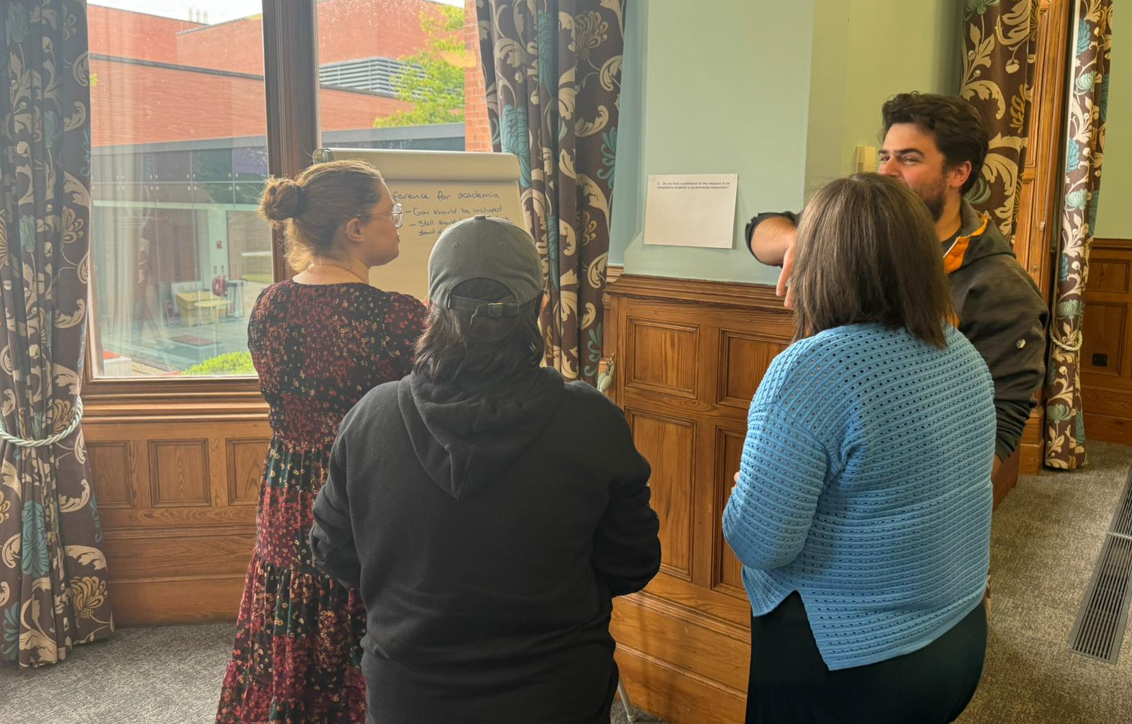
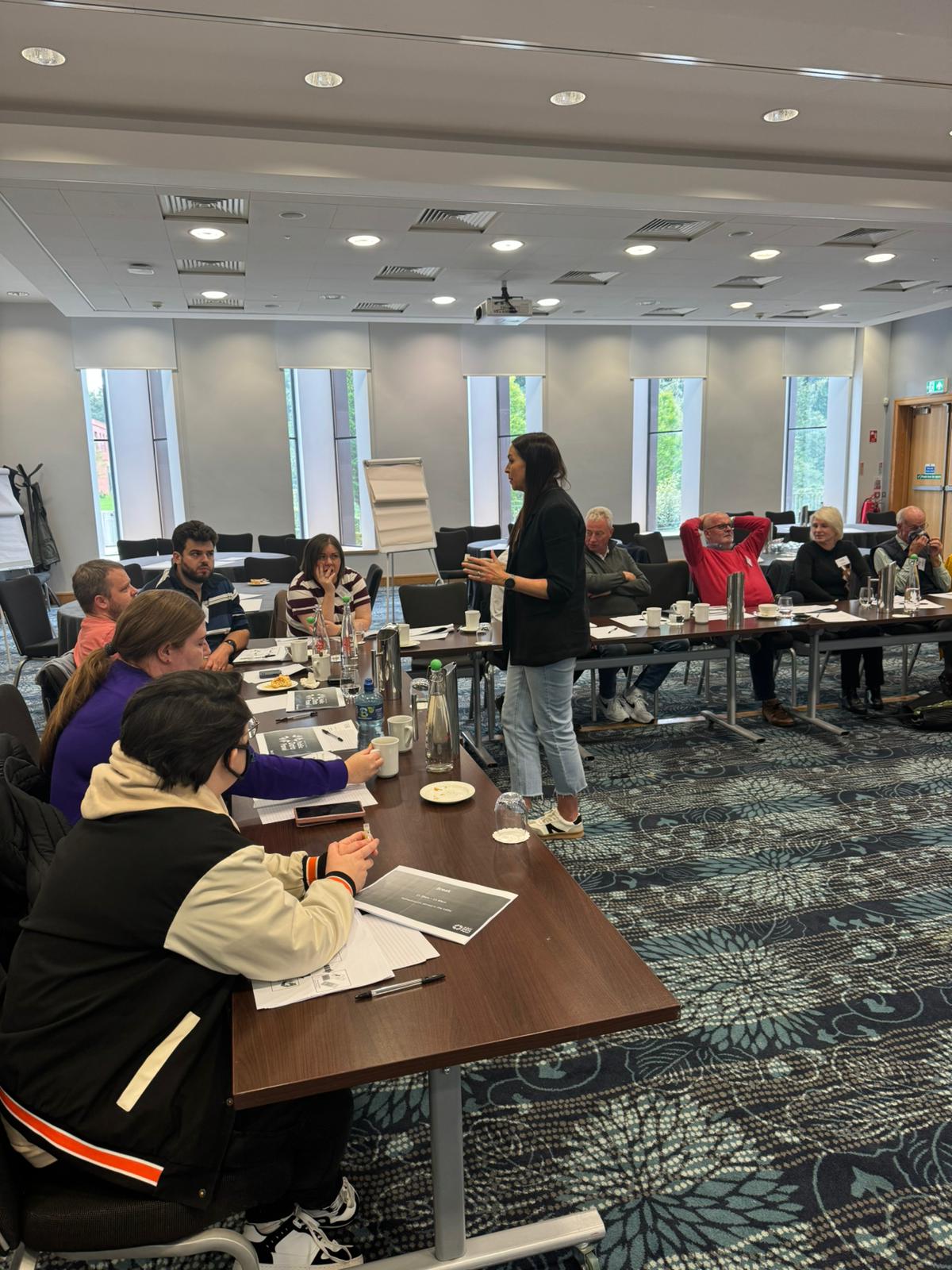
A ‘Data Dialogue’ is the Northern Ireland Public Data Panel approach to deliberations on topics related to data use. Using a deliberative approach panel members participate in discussion and activities to consider opinions and views on a given subject. With the support of facilitators, they collectively explore information they have been provided with, along with their own experiences and views related to address specific questions on the use of data for public good.
Data Dialogue: NIPDP Inauguration - March 2025
Perceptions on the use of Northern Ireland Health and Social Care Data
The Panel was provided a definition and scope of what Health and Social Care Northern Ireland (HSCNI) is, to provide scope and context for their discussions. They first examined three case studies, reacting without prior knowledge or discussion, identifying issues and points of interest. Later the Panel revisited these case studies to assess if their views or feelings had changed following their deliberations and discussion activities to capture their perspective on use of Health and Social Care data based on common general themes from published works.
The finding of the report can be downloaded on the links below:
Report Published: May 2025
- Perceptions on the use of Northern Ireland Health and Social Care Data Summary
- Perceptions on the use of Northern Ireland Health and Social Care Data Report
Data Dialogue 2
June 2025
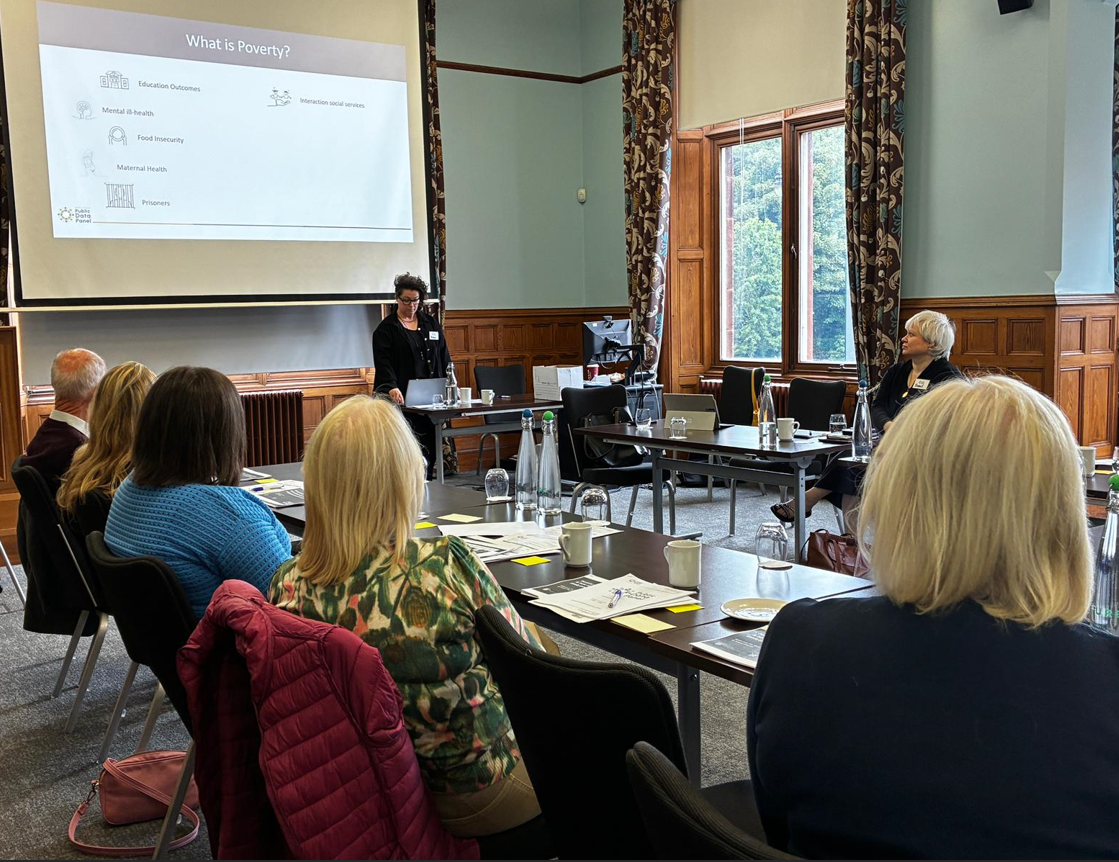
Poverty is multidimensional, research on linked administrative data can help fully understand and address it. This includes use of data sources such as income, benefits, social care, health, education and others to better measure and map poverty in Northern Ireland for evidence-based policymaking and interventions.
The Panel were introduced to the topics ‘Using data to measure and map poverty and food insecurity in Northern Ireland’ by two expert presenters. The first presenter introduced, the ‘multidimensional aspect of poverty, the data landscape in Northern Ireland’ and ‘how administrative data is being used to study poverty around the world’. The second presenter introduced the use of ‘secondary data to map food poverty in Northern Ireland’.
Data Dialogue on Poverty and Food Insecurity in Northern Ireland
We recently held a 'Data Dialogue' session with the Northern Ireland Public Data Panel (NIPDP), focusing on 'Using data to measure and map poverty and food insecurity in Northern Ireland.'
The discussion was facilitated by the participation of expert speakers from ADRC NI (Administrative Data Research Centre Northern Ireland). Their presentations provided essential insights into the complex, multi-dimensional nature of poverty, the current data landscape in Northern Ireland, and the methodology of using administrative and secondary data for robust research.
This deliberative session facilitated a rich exploration among panel members on how various sources of information, alongside their own experiences, can be effectively utilised to address pressing questions concerning data use. The expert input from ADRC NI was instrumental in establishing a strong, evidence-based foundation for the panel's work.
Thank you again to our speakers Dr Aideen Maguire (Director of ADRC) & Dr Sinéad Furey (Senior Lecturer on the Food Business and Food Innovation - UU) and the panel for contributing to this vital public panel dialogue on evidence and policy.
The finding of the report can be downloaded on the links below:
Published: November 2025
Report_NIPDP Data Dialogue 2_Data for Poverty_Nov2025
Summary Report - Data for Poverty
Data Dialogue 3
September 2025
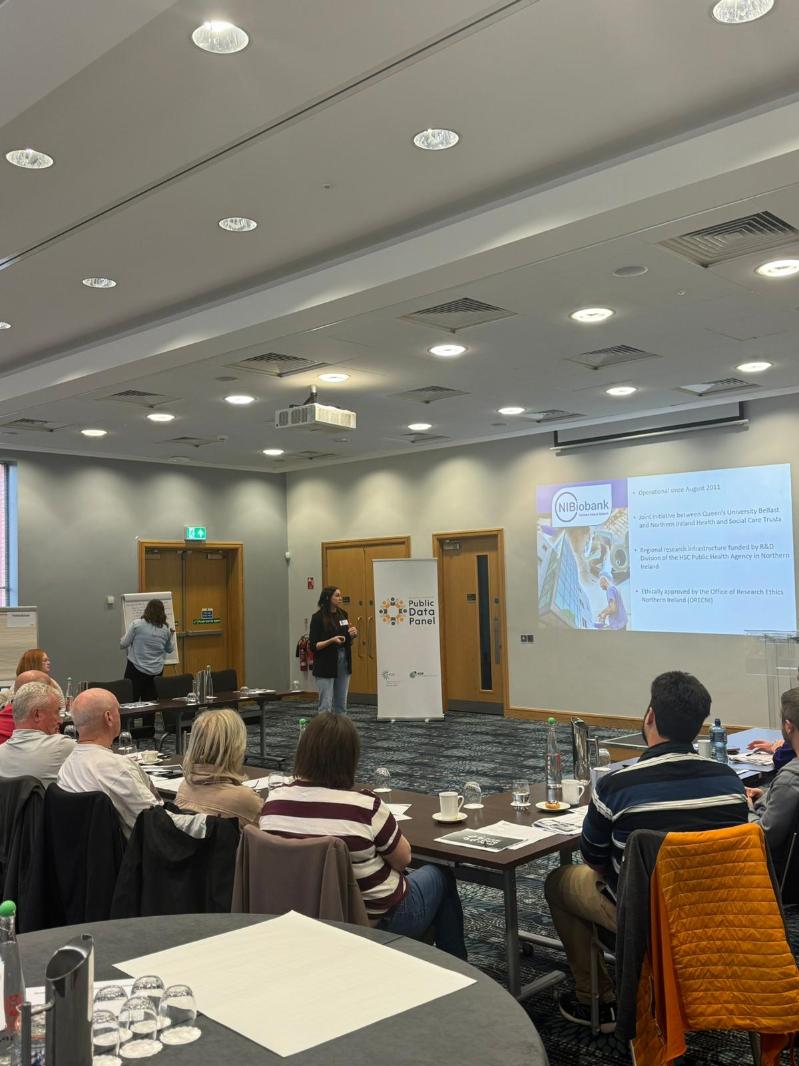
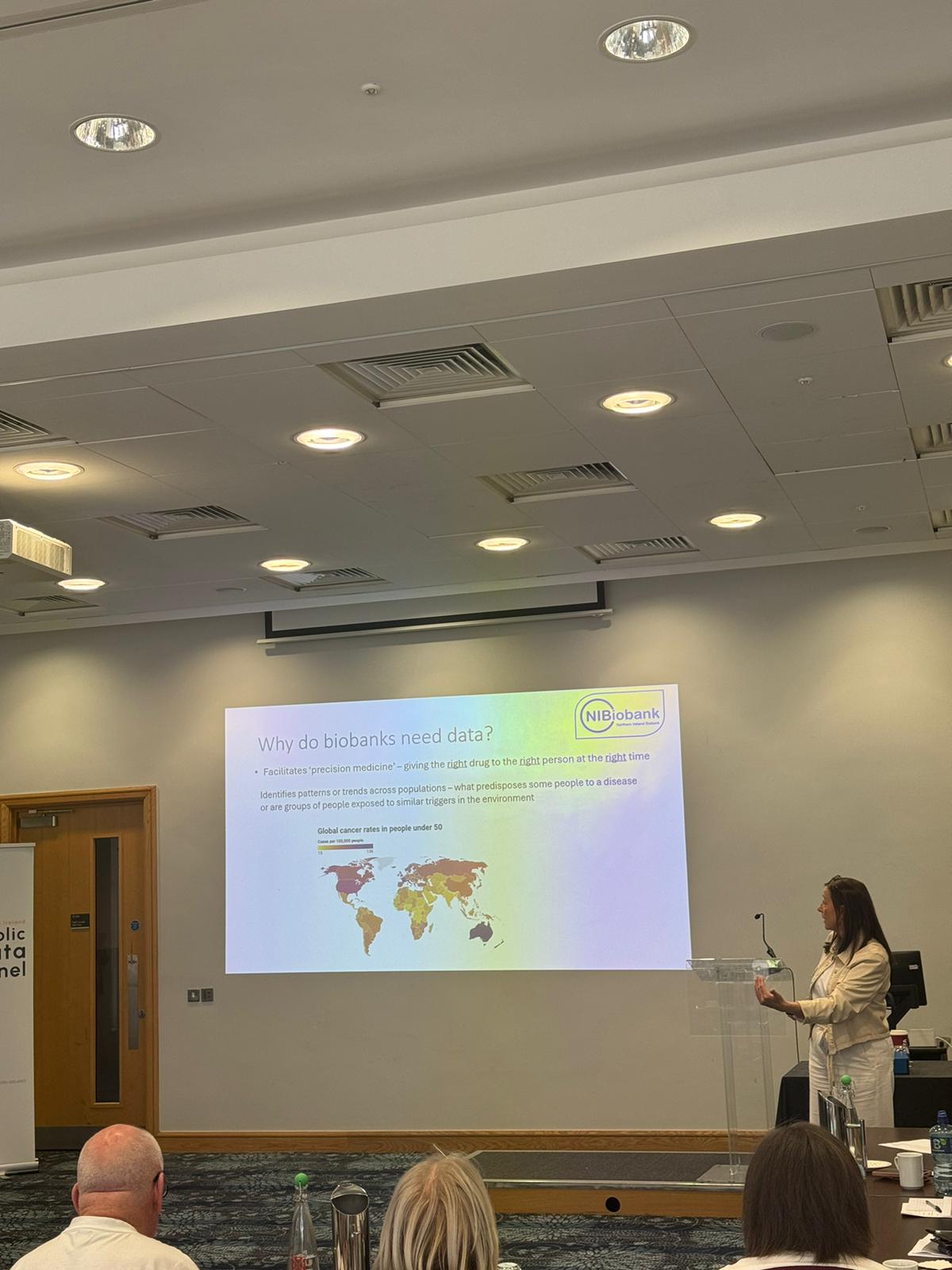
For this ‘Data Dialogue’, the Panel were introduced to the Northern Ireland Biobank (NIB) — a regional research infrastructure based at Queen’s University Belfast that collects high‑quality biological samples and de‑identified clinical data to support biomedical research. Two expert speakers provided insights into the NI Biobank’s purpose, governance, ethical foundations, research value, and future direction.
Throughout the session, participants raised questions, shared concerns, and explored the conditions under which the use of biobank samples and data is acceptable to the public. These insights informed the second part of the deliberation, where members engaged in structured dialogue around key questions set by NIB concerning data access, industry involvement, AI use, and benefit-sharing with the Health and Social Care system (HSC).
This topic and its deliberation were brought to the panel by the Northern Ireland Biobank.
Report
Published: March 2026
Public Perspectives on Ethical Use, Access, and Future Data Strategy
The Northern Ireland Biobank (NIB) is a key research resource established in 2011 to support research across biomedical sciences. Located at the Patrick G. Johnston Centre for Cancer Research (PGJCCR) at Queen's University Belfast (QUB), it is funded primarily by the Research and Development Division of the Health and Social Care Public Health Agency (HSC R&D) in Northern Ireland (NI). NIB also receives funding from other sources, predominantly collaborating charities, and it operates a modest cost recovery scheme to contribute to its own sustainability.
NI is moving towards a more data-driven healthcare system. Key developments, such as a single digital health record, a secure Trusted Research Environment (TRE), and new legislation on health data use, will significantly shape how researchers access and use patient information.
As part of this transition, NIB is seeking input from the Northern Ireland Public Data Panel (NIPDP) to help shape its future data strategy and ensure personal data is handled in ways that the public sees as responsible and trustworthy.
Thank you again to our speakers Professor Jacqueline James (Scientific Director, NI Biobank), Dr Claire Lewis (Operations Manager, NI Biobank) & Christine Greene (Biomedical Scientist, NI Biobank) and the panel for contributing to this vital public panel dialogue on NI Biobank future data strategy.
The finding of the report can be downloaded on the links below:
March 2026
Data Dialogue 4
December 2025
The EquiPlace Hub research proposal seeks to connect engineers, data scientists, health researchers, policymakers and communities aiming to integrate housing, transport and environmental data to reveal how infrastructure decisions affect health and inequality.
Across the region, poor-quality housing, unreliable transport and environmental pressures such as air pollution and flooding are driving long-term health inequalities, which are among the widest in the United Kingdom. The data needed to understand and address these challenges remain fragmented across systems and sectors.
The Northern Ireland Public Data Panel (NIPDP) were asked to discuss how Northern Ireland can create a trusted, interoperable data infrastructure that enables safe, equitable use of linked housing, transport and environmental data to reduce health inequalities and improve health related outcomes.
NIPDP’s expertise was recognised by the researchers leading EquiPlace as critical to ensuring transparency, public trust and inclusion in the development of their research proposal, and development processes. Their aim is, through a range of mechanisms one of which is speaking to NIPDP to embed public values in their data approach.
Equiplace A.I (ENGAGE)
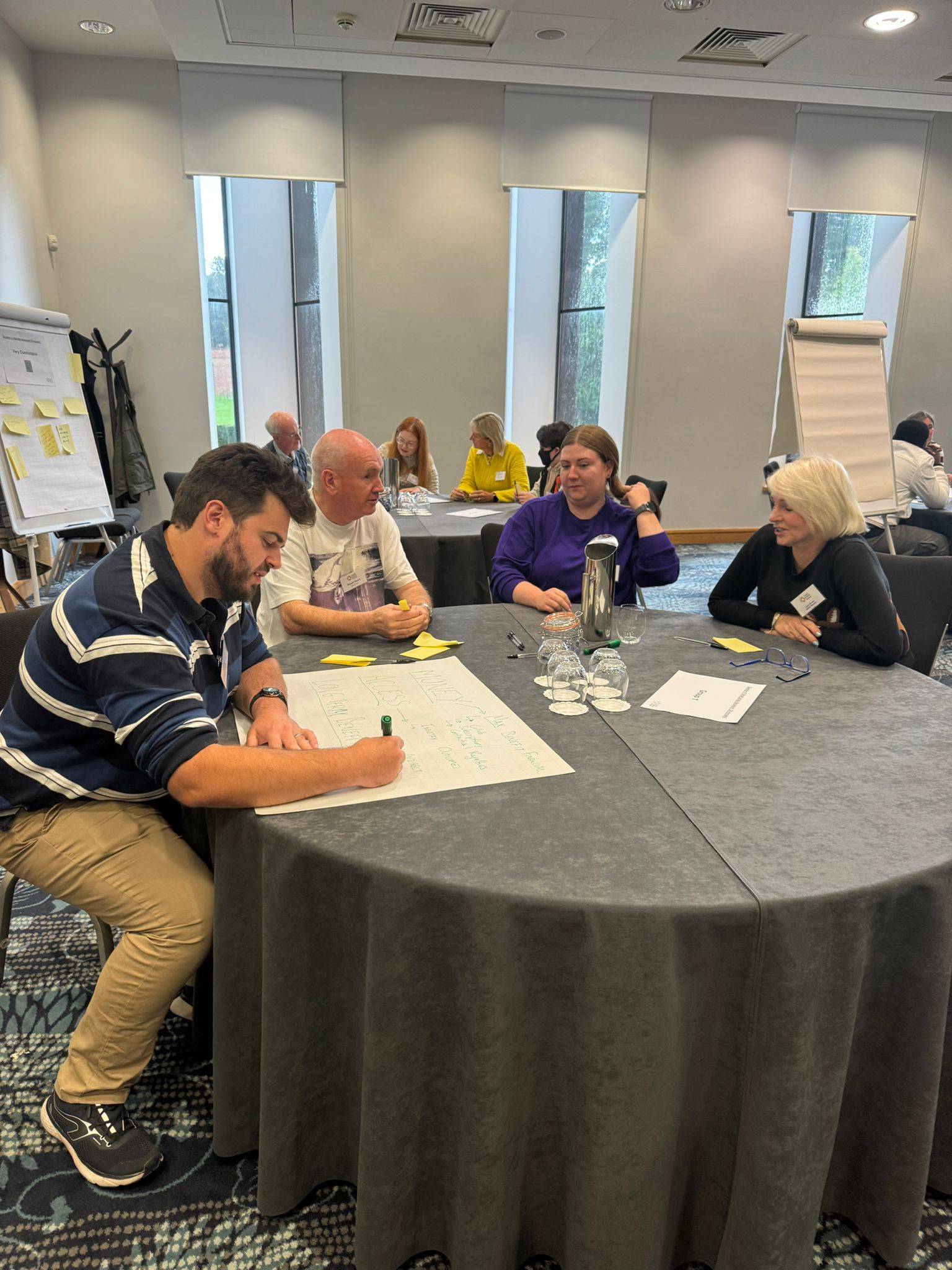
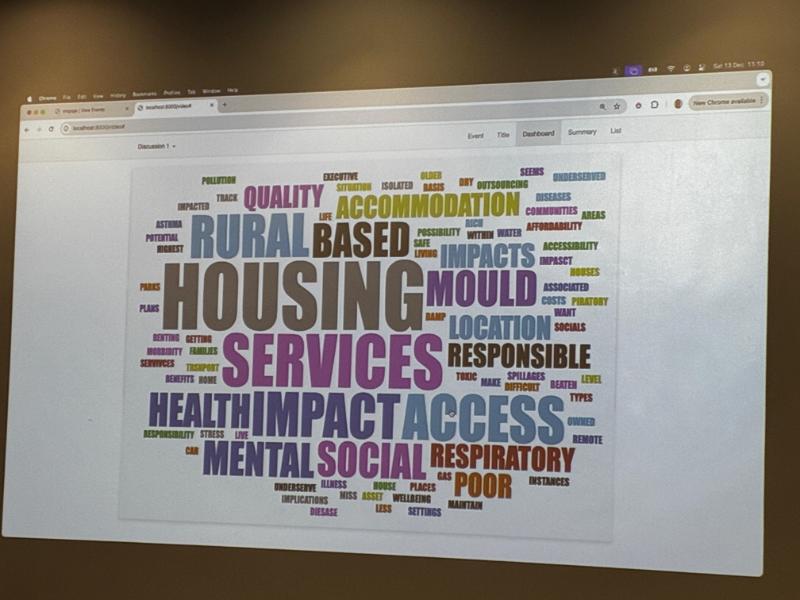
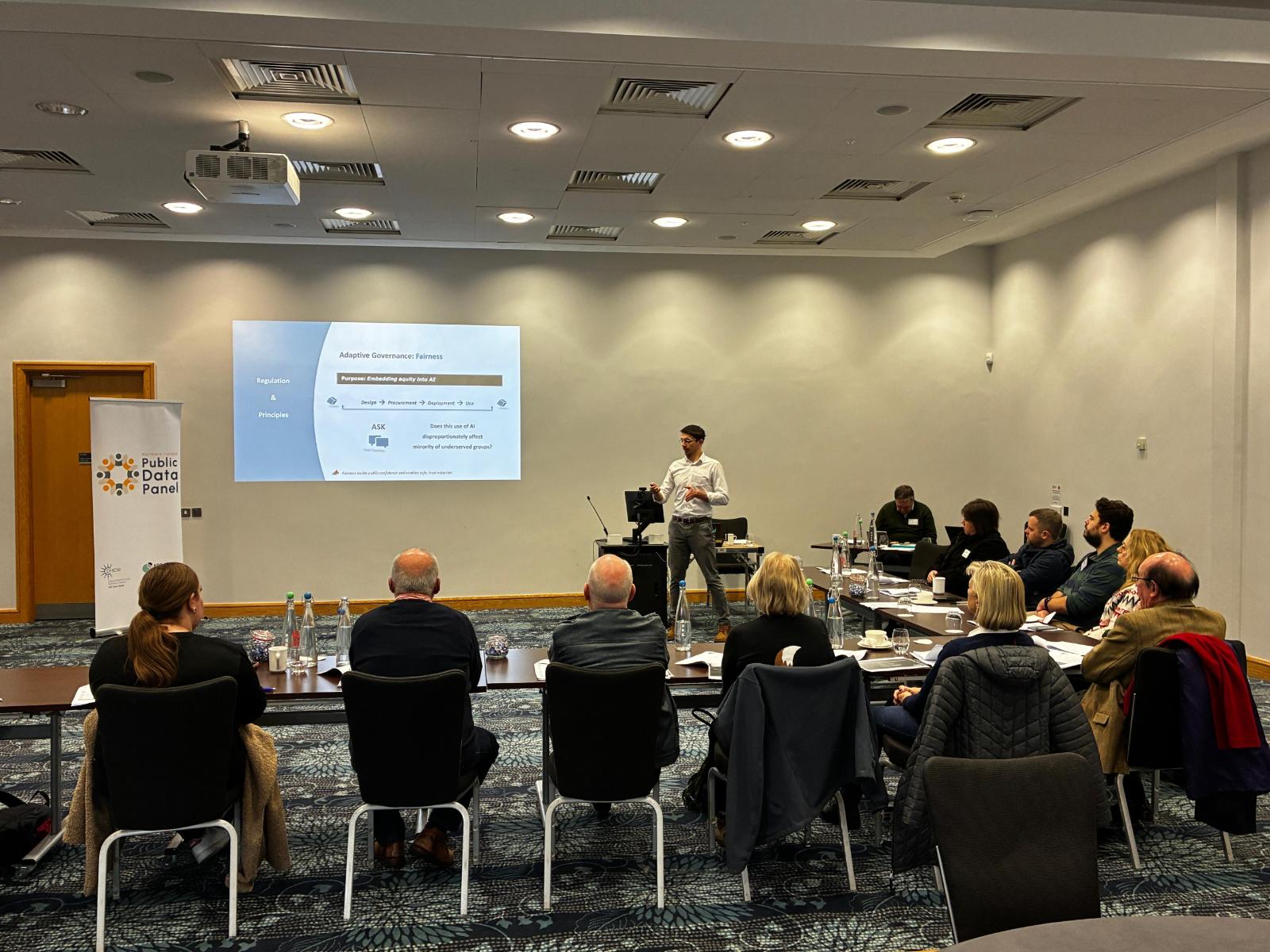
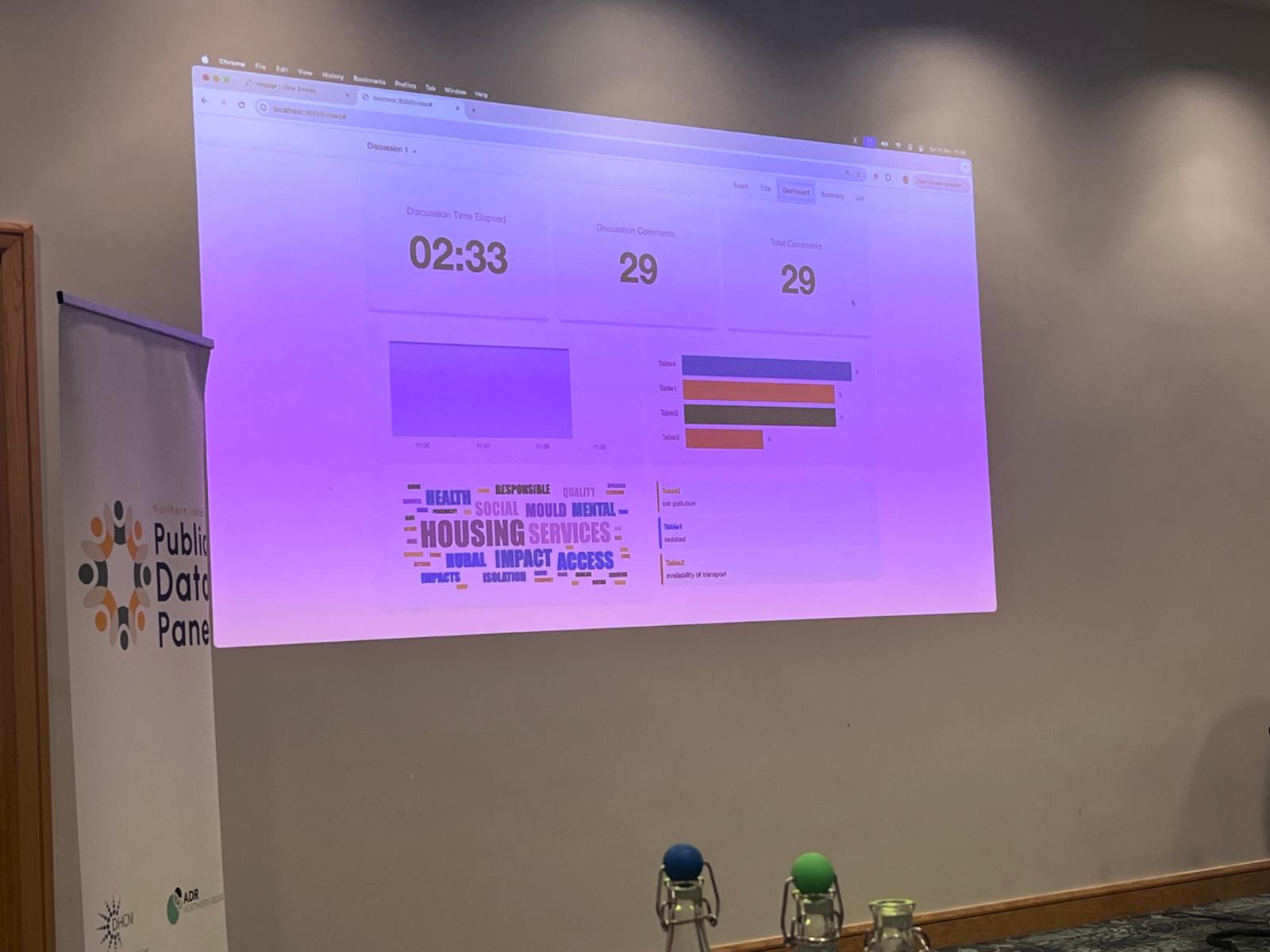
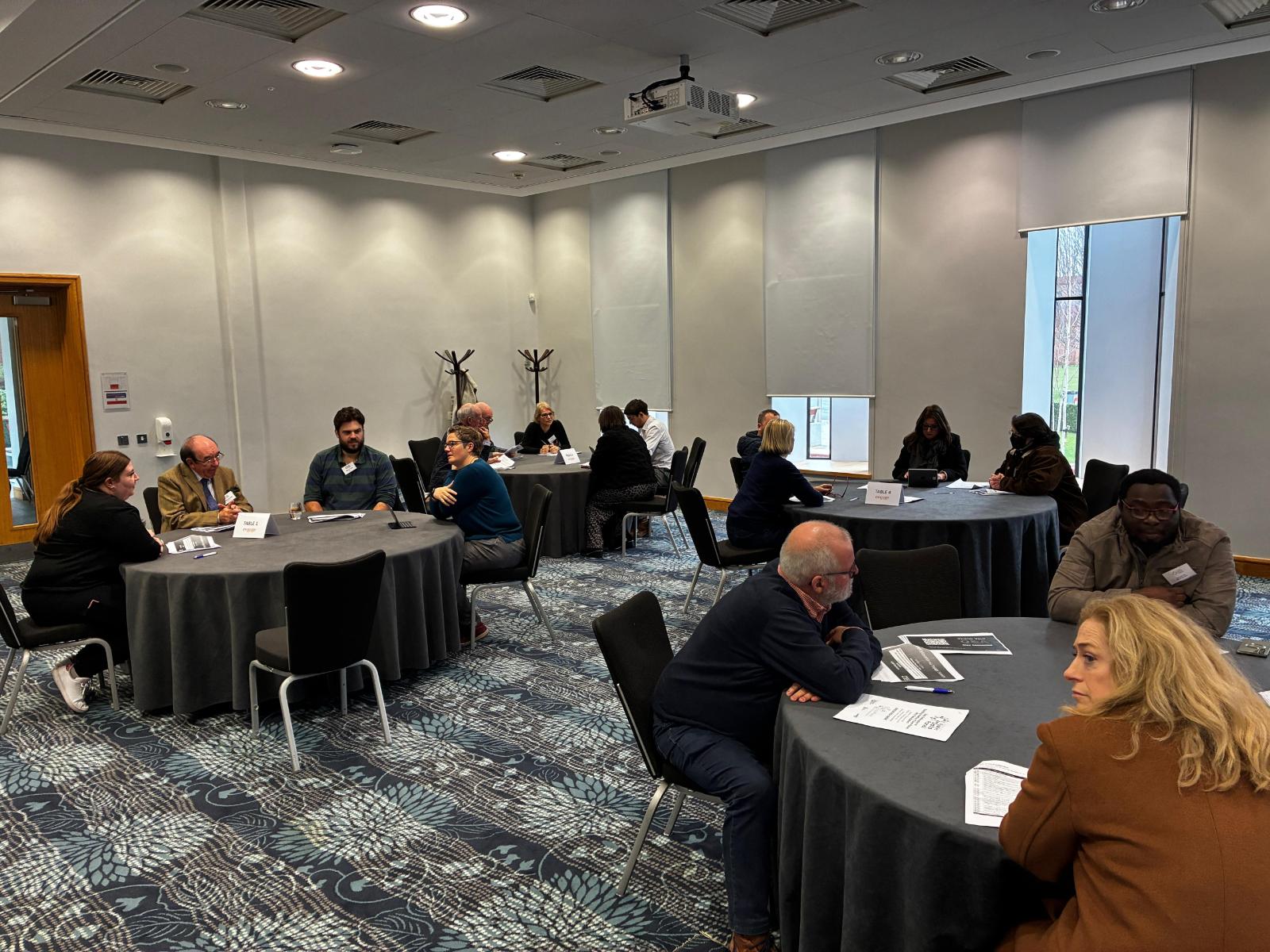
Researchers from EquiPlace produced a discussion guide which was distributed to all attendees a few days ahead of the event and provided as a handout on the day of the Panel. The day was structured with scene setting presentations followed by roundtable discussions focussed on a series of interrelated topic areas with group rapporteurs capturing feedback using ‘Engage’. Engage is a digital tool, using iPads at each discussion table, to facilitate data capture and feedback after each topic. It is described by the researcher team as ‘a responsible AI tool’, which operates offline working from a dedicated closed server, provided a ‘real time’ synopsis of each discussion topic in the room. This real-time data capture will generate an event PDF report for all attendees within 30 minutes of the event end time. This report was circulated to participants post event for review and comment and is appended to this overview summary. It forms the main report from the Panel.
This Panel was facilitated by the EquiPlace rapporteurs and provided a new format for session participants, one which was, by Panel members who engaged and responded with support and value in the interaction. The dialogue raised interesting points of consideration for such an approach in the future.
Thank you again to our speakers Professor Jonathan Wallace (Professor of Innovation, School of Computing - University of Ulster) & Tadhg Hickey (Head of AI and Digital Ethics Policy, School of Computing - University of Ulster) and the panel for contributing to this vital 'Data Dialogue' on 'Building Healthier, Fairer Places: Why Data Matters'.
The finding of the report can be downloaded on the links below:
Report Published: March 2026